How to Build Creative Confidence Through Art
Creative confidence isn’t something you’re born with—it’s something you build. For many students and beginners, the biggest barrier to making art isn’t lack of skill, but fear: fear of doing it wrong, fear of judgment, or fear of not being “good enough.”
The good news? Art is one of the most effective ways to develop confidence, even if you’ve never considered yourself creative. Here’s how.
What Is Creative Confidence?
Creative confidence is the belief that you can explore ideas, try new things, and express yourself—without needing permission or perfection.
In art, creative confidence looks like:
- Willingness to start without knowing the outcome
- Comfort with mistakes and experimentation
- Trust in your own choices
- Enjoyment of the creative process
This confidence grows through experience, not talent.
Why Art Is So Powerful for Building Confidence
Art provides a rare space where there is no single right answer. That freedom allows students and beginners to take risks safely.
Through art, learners:
- Make decisions independently
- See progress through effort
- Learn that mistakes can be transformed
- Experience accomplishment without comparison
Each completed piece—no matter how simple—reinforces the belief: “I can do this.”
Start With Process, Not Performance
One of the fastest ways to build creative confidence is to remove performance pressure.
Instead of asking learners to create a “good” artwork, encourage them to:
- Focus on the steps
- Explore materials
- Respond to what’s happening on the canvas
When the process becomes the goal, confidence follows naturally.
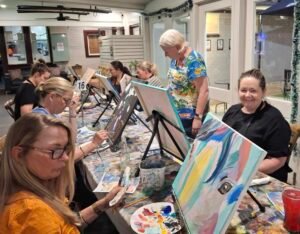
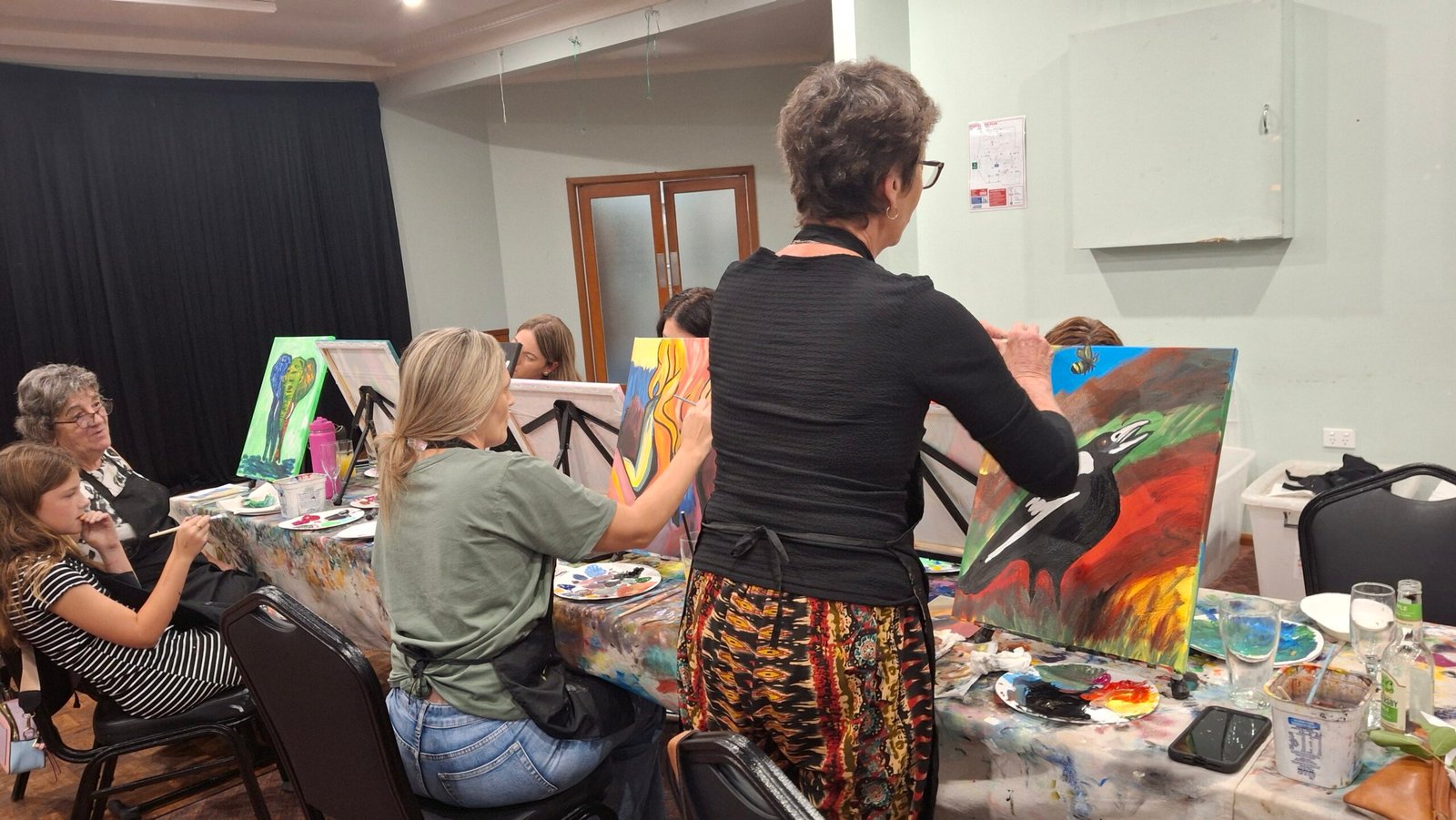
Use Guided Art Activities
Guided activities provide structure while still allowing personal expression.
For beginners and students, guidance helps:
- Reduce overwhelm
- Clarify where to start
- Create momentum
- Build trust in the process
Structure doesn’t limit creativity—it supports it.
Normalize Mistakes as Part of Learning
Creative confidence grows when mistakes are welcomed instead of avoided.
In art, a mistake can:
- Lead to new ideas
- Add interest and depth
- Change the direction of a piece for the better
When students learn that mistakes aren’t failures, they become more willing to try.
Create in a Judgment-Free Environment
Confidence thrives in safe spaces.
Whether in a classroom or studio setting, creative confidence grows when learners feel:
- Supported instead of evaluated
- Encouraged instead of corrected
- Free to express without comparison
This environment is often more important than the activity itself.
Small Wins Build Big Confidence
Confidence doesn’t come from one perfect artwork—it comes from repeated small successes.
Simple actions like:
- Finishing a piece
- Trying a new technique
- Making a personal choice
All contribute to long-term creative growth.
Why Creative Confidence Matters Beyond Art
The confidence built through art extends far beyond the canvas.
Students who develop creative confidence often show:
- Greater problem-solving skills
- Increased self-expression
- Willingness to take healthy risks
- Improved emotional resilience
Art becomes a foundation for confidence in learning and life.
Helping Students Create Without Fear
You don’t need to know how to draw or paint to be creative. You need guidance, encouragement, and permission to explore.
Our programs are designed to help students and beginners build creative confidence through supportive, process-based art experiences.
Because when confidence grows, creativity follows.