
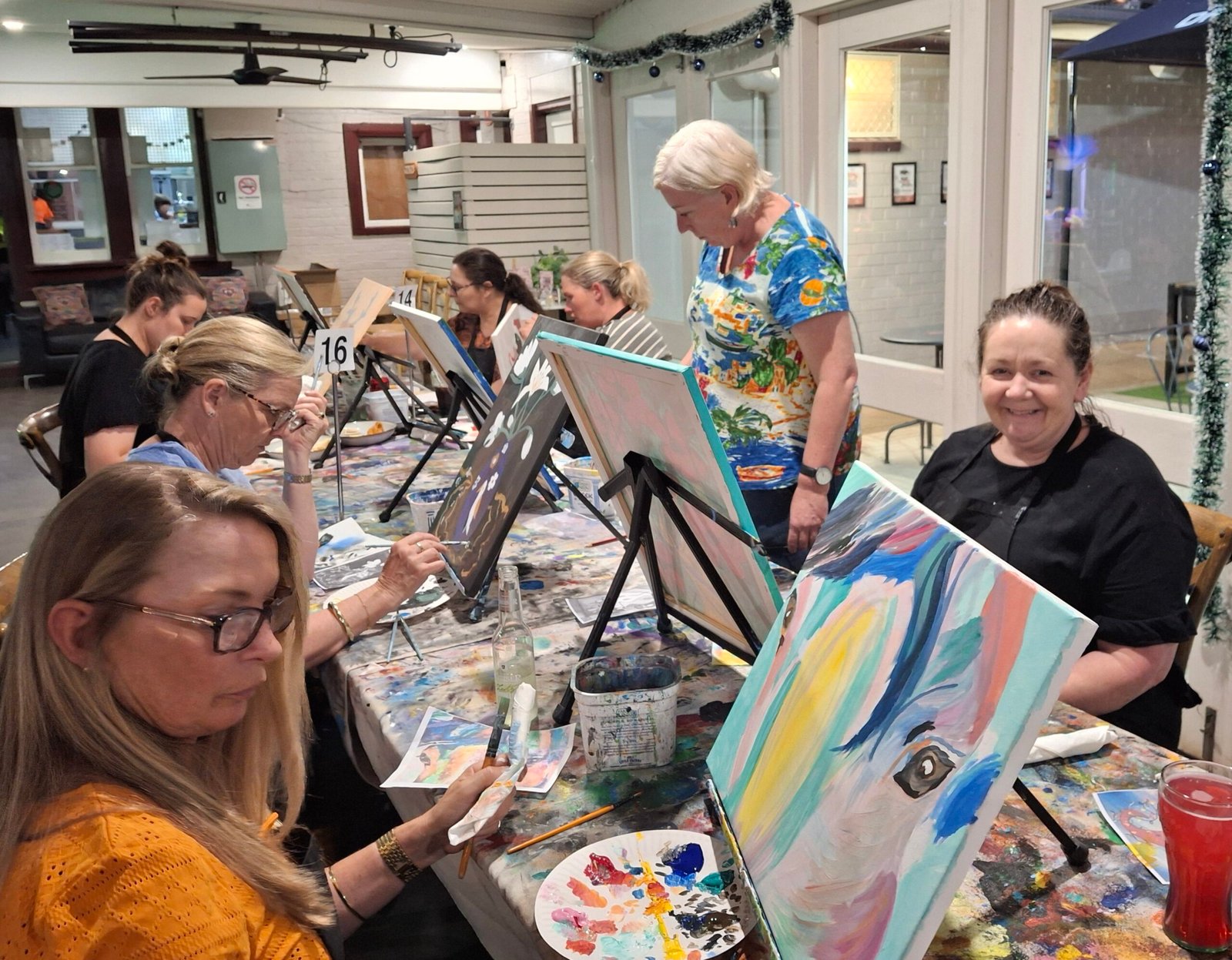
Best Art Activities for Beginners and Students
You don’t need drawing skills or artistic experience to create meaningful art. In fact, some of the best art activities for beginners and students are designed specifically to remove pressure, rules, and fear of doing it wrong.
Whether you’re a student, a complete beginner, or someone who believes they’re “not creative,” these art activities focus on process over perfection—helping anyone create with confidence.
What Makes an Art Activity Beginner-Friendly?
Not all art activities are suitable for beginners. The best ones share a few important qualities:
- No required technical skills
- Clear starting points
- Flexible outcomes (no right or wrong result)
- Encouragement of exploration and expression
These activities help students focus on creating, not performing.
1. Abstract Painting With Limited Colors
Using only 2–3 colors removes decision fatigue and helps beginners relax into the process.
Why it works:
- Reduces overwhelm
- Encourages intuitive mark-making
- Focuses attention on movement and layering
This is ideal for students who are afraid of “messing up.”
2. Texture-First Art Making
Instead of starting with an image or idea, begin with texture.
Examples include:
- Sponges, palette knives, or found objects
- Layering paint, paper, or fabric
- Creating surfaces before adding any detail
Why it works: There’s no expectation of realism, making it perfect for beginners.
3. Guided Step-by-Step Art Projects
Guided projects provide structure without limiting creativity.
Students follow a loose sequence—such as background, shapes, layers, and finishing touches—while still making personal choices along the way.
Why it works: Structure builds confidence, especially for those who don’t know where to start.
4. Emotion-Based Art Activities
Instead of asking “What should I draw?”, ask “How do I feel?”
Students create artwork based on emotions using:
- Colors
- Lines and shapes
- Abstract forms
Why it works: Emotional expression removes pressure to make something “look right.”
5. Collage and Mixed Media Exploration
Collage is one of the most accessible art forms for beginners.
Using magazines, printed images, paper, and simple materials allows students to compose without drawing skills.
Why it works: Choice and arrangement matter more than technique.
6. Process Art for Students
Process art focuses entirely on how art is made—not what it looks like.
This might include:
- Repeating marks
- Layering without a plan
- Responding to what appears on the page
Why it works: Students learn that art is about exploration, not outcomes.
7. Art Without a Reference Image
Beginners often rely heavily on reference images, which can increase comparison and frustration.
Encouraging students to work without references helps them:
- Trust their instincts
- Develop confidence
- Enjoy the creative process
Why These Activities Matter for Students
Beginner-friendly art activities help students:
- Build creative confidence
- Develop problem-solving skills
- Express themselves without fear
- Enjoy learning through creativity
When students feel safe to explore, art becomes accessible to everyone.
Creating Art Without Knowing How
The best art activities don’t require talent—only guidance, encouragement, and permission to try.
Our programs are designed specifically for beginners and students who believe they “can’t do art.” Through guided, pressure-free activities, we help learners move from hesitation to confidence—one artwork at a time.
Art isn’t about being good. It’s about beginning.
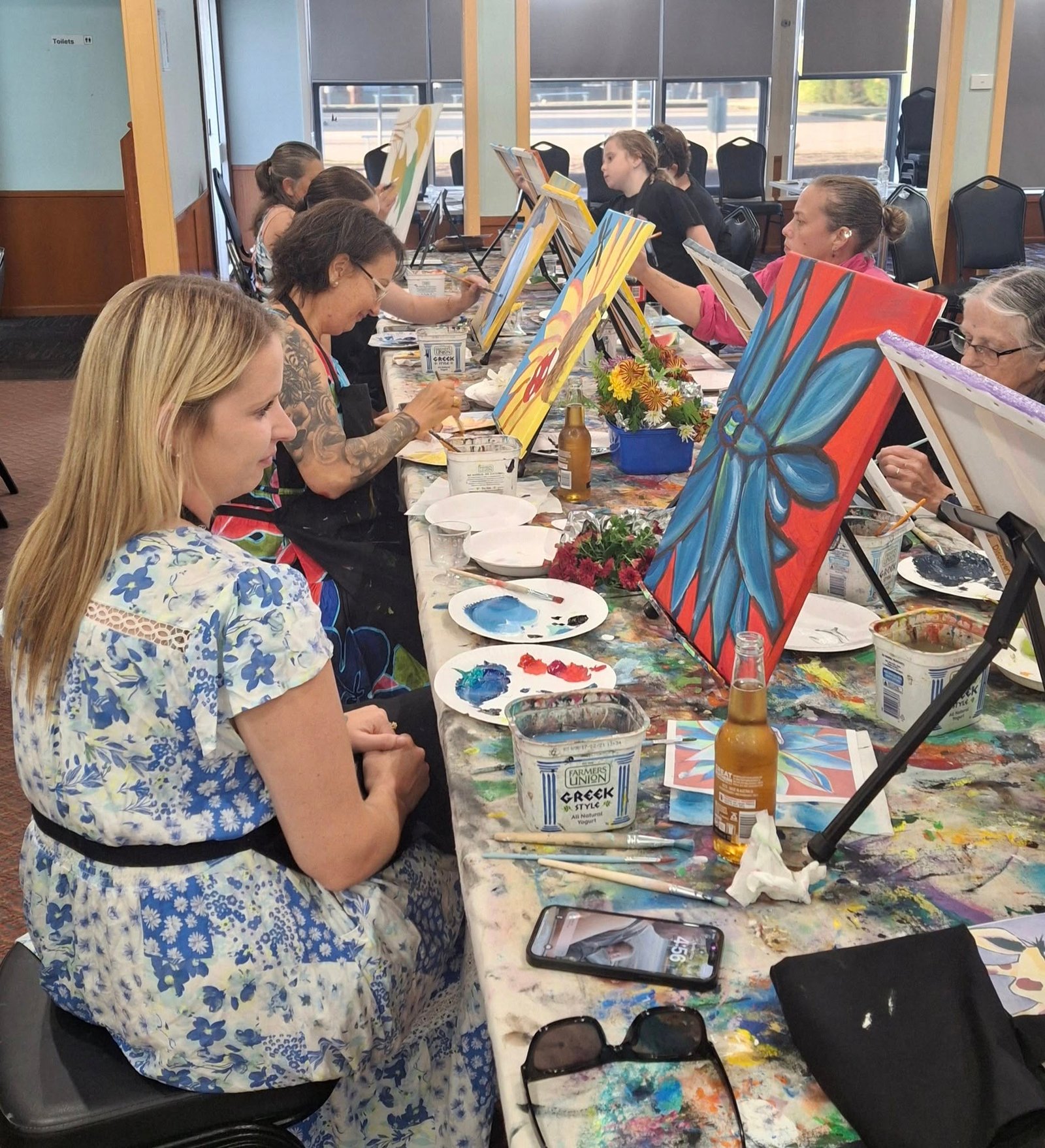
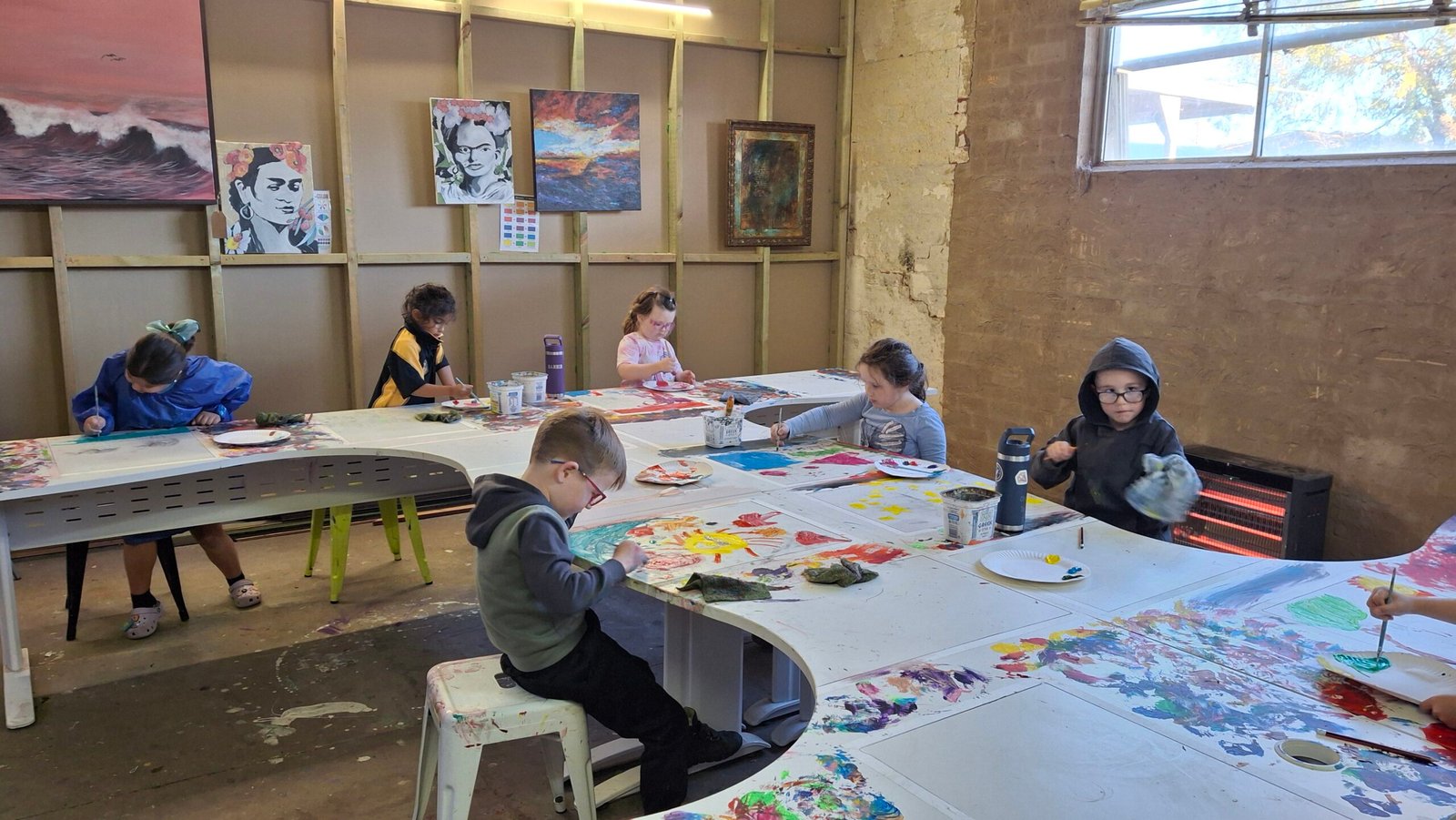
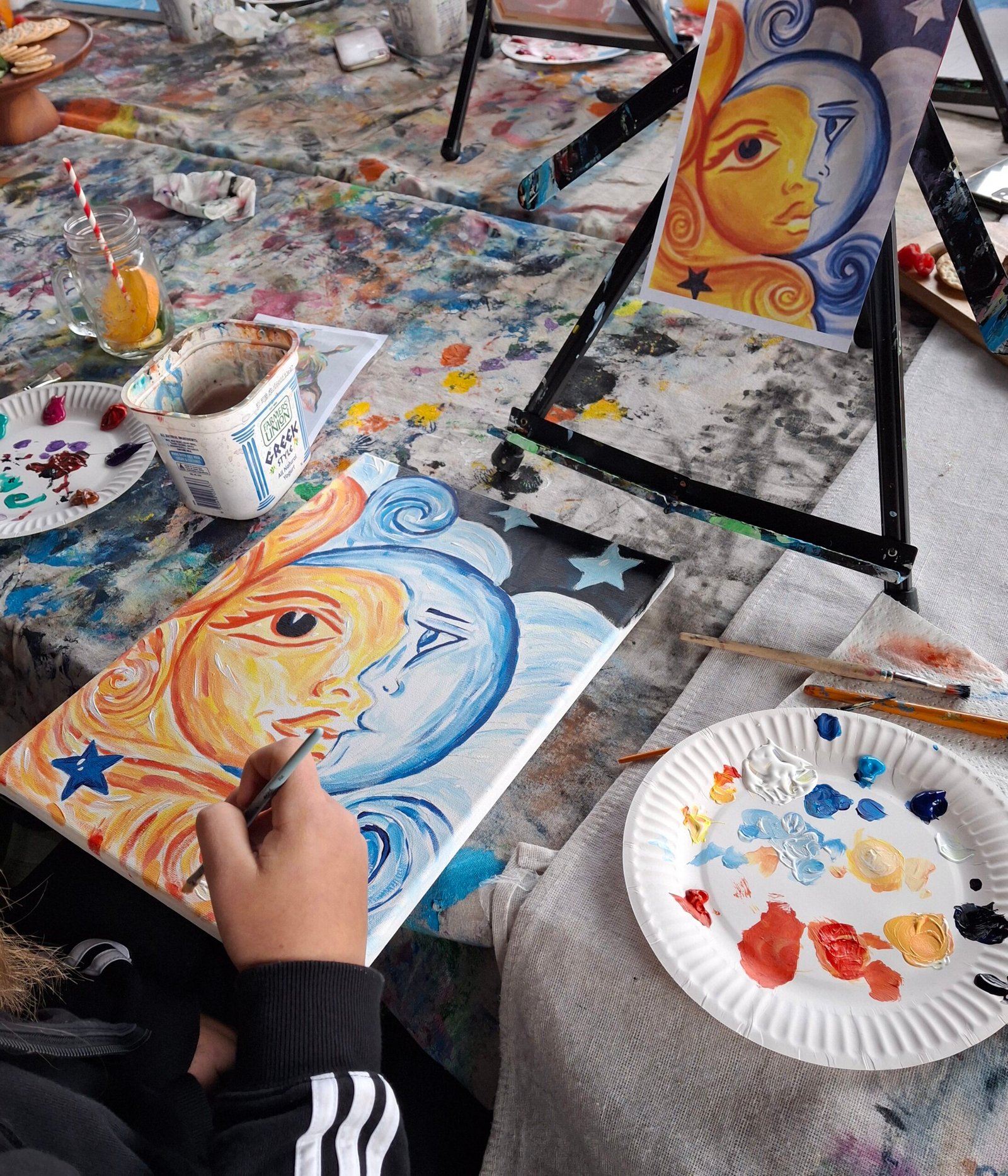
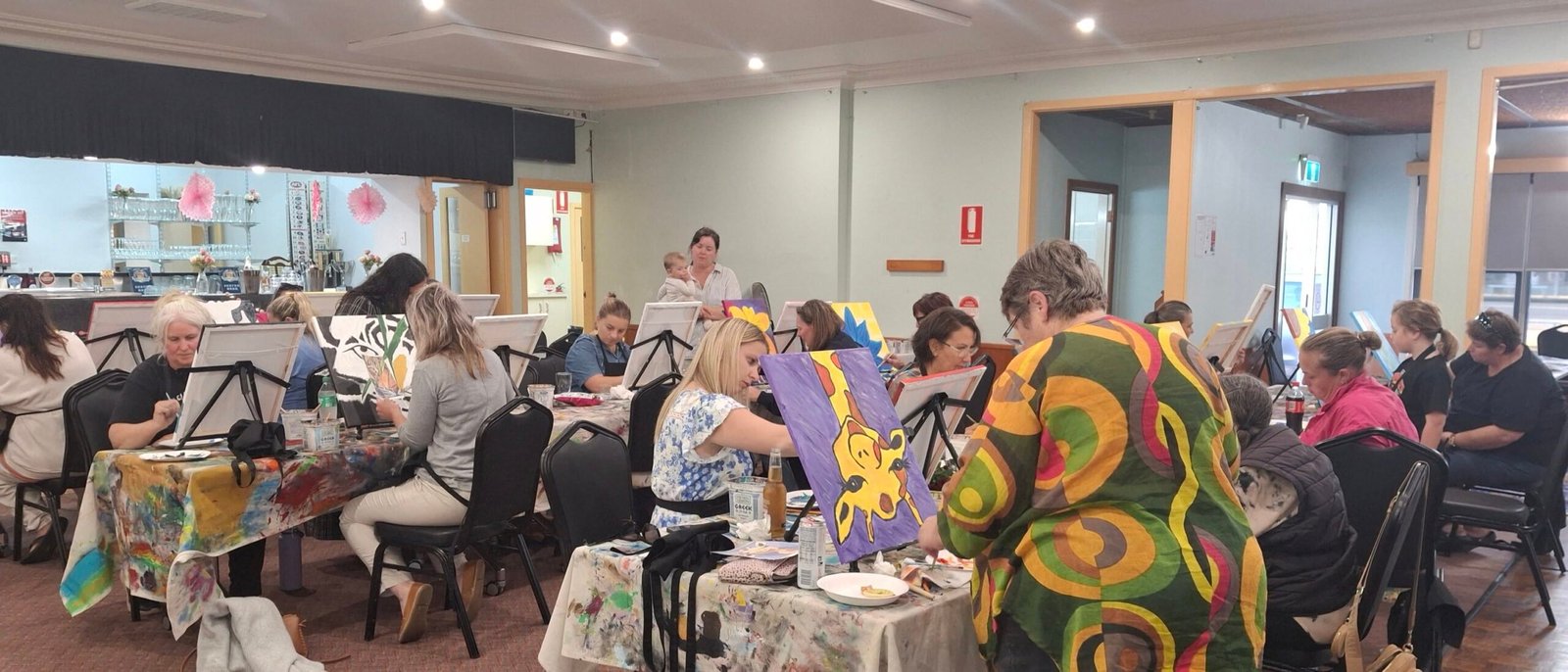


Looks like everyone is having a lot of fun